Congratulations to all the writers shortlisted for the 2017
Morland Writing Scholarships, particularly those who have been published by
amaBooks:
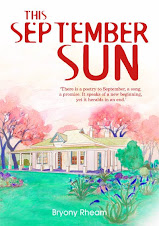
Bryony Rheam (Zimbabwe)
(novel: This September Sun, short
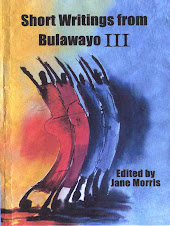
stories: 'The Queue' from Short Writings
from Bulawayo; 'Something About Tea' from Short Writings from Bulawayo II; 'The Rhythm of Life' from Short
Writings from Bulawayo III; 'Miss Parker and The Tugboat' from Long Time Coming; 'The Piano Tuner' from
Where to Now? Short Stories from Zimbabwe;
'Moving on' from Moving On and Other
Zimbabwean Stories)
Gothataone Moeng (Botswana) (short story: 'Who Knows What
Season Tomorrow Brings' from Long Time
Coming)
Cheryl Ntumy (Ghana) (short story: 'Princess Sailendra of
Malindi' in Lusaka Punk)
Kiprop Kimutae (Kenya) (short story: 'The Storymage' in The Goddess of Mtwara)
Elnathan John (Nigeria) (short stories: 'Walking' in The Daily Assortment of Astonishing Things; 'Bayan Layi' in A Memory This Size; 'Flying' in Lusaka Punk and 'Running' in The Gonjon Pin)
And the press statement from the Miles Morland Foundation (https://milesmorlandfoundation.com/morland-writing-scholarship-2017-shortlist/):
The Miles Morland Foundation is delighted to announce the
shortlist for the 2017 Morland Writing Scholarships. Of the twenty-one names,
six are from South Africa, four each from Nigeria and Kenya, two from Cameroon
and one each from Eritrea, Zimbabwe, Ghana, Gambia and Botswana.
It is always difficult to choose the shortlist. The standard
of writing increases every year, making the pool to choose from ever wider. We
had nearly 550 entries this year, is our highest number to date, with writers
applying from 30 countries. We are excited by the array of talent we have on
our shortlist, ranging from writers in their twenties to one in his seventies.
Once more we have seen the energy, originality, and wit in our entries that
characterises so much of modern African writing. We are also heartened to see
six non-fiction candidates on the shortlist from one last year.
The judges, with Ellah Wakatama Allfrey from Zimbabwe in the
chair, assisted by Femi Terry from Sierra Leone, and Muthoni Garland from
Kenya, will meet on Dec 4th to select the 2017 Scholars. Their names will be
announced shortly afterwards. Writers awarded a fiction scholarship will each
receive £18,000, paid over the course of a year to allow them to take time off
to write the book they have proposed. Non-fiction writers may be given £27,000
over the course of eighteen months, if they need to do additional research.
Shortlist for the Morland Writing Scholarships for 2017:
Alemseged Tesfai – Eritrea
Bryony Rheam – Zimbabwe
Cheryl Ntumy – Ghana
Clementine Ewokolo Burnley – Cameroon
Dayo Forster – Gambia
Elizabeth McGregor – South Africa
Elnathan John – Nigeria
Eloghosa Osunde – Nigeria
Fatima Kola – South Africa
Fred Khumalo – South Africa
Gloria Mwaniga – Kenya
Gothataone Moeng – Botswana
Kiprop Kimutai – Kenya
Megan Ross – South Africa
Muthoni wa Gichuru – Kenya
Nana Nkweti – Cameroon
Palesa Deejay Manaleng – South Africa
Sitawa Namwalie – Kenya
Tsholofelo Wesi – South Africa
Ukamaka Olisakwe – Nigeria
Umar Turaki – Nigeria